
Tonks Overview
- Home
- Tonks
- Tonks Overview
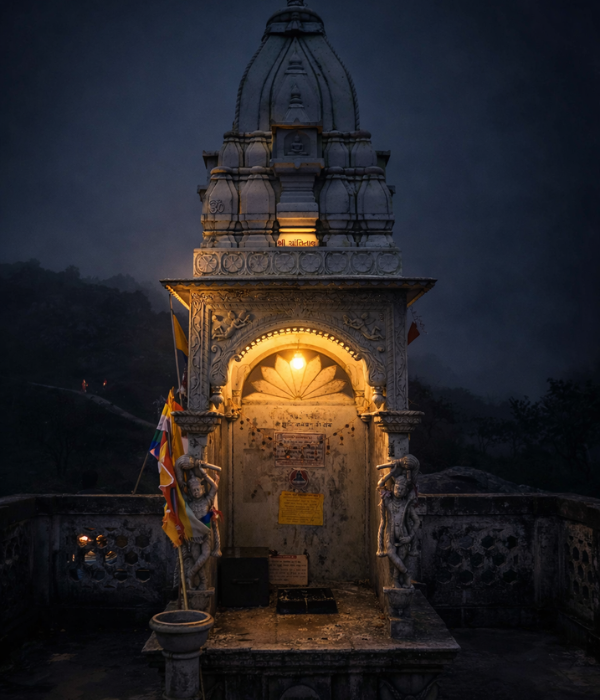
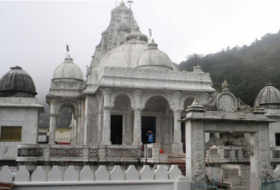
What is a Tonk
Pilgrimages Through Time
A Tonk is a sacred memorial shrine on Shri Sammed Shikharji (Parasnath Hill) that marks the exact place where a Jain Tirthankara attained Moksha (liberation). In Jain tradition, a Tonk is not a tomb or burial site, but a symbolic spiritual marker, honoring the moment when the soul achieved complete freedom from the cycle of birth and death.
Each Tonk represents the final spiritual ascent of a Tirthankara. Pilgrims bow at these sites to express reverence, reflect on the path of renunciation, and reaffirm their commitment to Ahimsa, self-discipline, and liberation.
Shri Sammed Shikharji is unique because 20 of the 24 Tirthankaras attained Moksha here, and each is commemorated by a Tonk along the pilgrimage route and at the summit. These Tonks collectively make the hill the holiest Siddha Kshetra in Jainism.
Tonks are intentionally simple in structure, emphasizing spiritual significance over physical grandeur. Their design reflects Jain values of humility, detachment, and purity, allowing devotees to focus on meditation rather than material beauty.
Why Each Tonk Is Spiritually Important
Liberation
Each Tonk on Shri Sammed Shikharji holds profound spiritual significance because it marks the exact sacred location where a Jain Tirthankara attained Moksha, the highest spiritual state of liberation from the cycle of birth and death. These sites are not commemorations of physical events, but spiritual milestones representing the soul’s final victory over karma, attachment, and ignorance. For Jain devotees, a Tonk serves as a living reminder that liberation is achievable through right faith, right knowledge, and right conduct.
Every Tonk symbolizes the culmination of intense penance, self-discipline, and complete renunciation practiced by the Tirthankaras. Standing at these locations allows pilgrims to spiritually connect with the teachings and sacrifices of these enlightened beings. The presence of multiple Tonks across the hill transforms the entire landscape into a sacred spiritual pathway, guiding devotees step by step toward inner purification.
Spiritually, Tonks function as centers of reflection and humility. Their simplicity reinforces the Jain belief that true greatness lies not in material structures but in inner awakening. Pilgrims bow at each Tonk to dissolve ego, express gratitude, and reaffirm commitment to non-violence and self-restraint. Collectively, the Tonks of Sammed Shikharji form a divine geography of liberation, making the hill a Siddha Kshetra where spiritual energy, devotion, and transcendence converge.
Moksha
Each Tonk marks the sacred place where a Jain Tirthankara attained Moksha, the ultimate liberation from the cycle of birth and death. These sites represent the highest spiritual achievement in Jainism, reminding devotees that freedom from karma is attainable through discipline, renunciation, and pure awareness. Visiting a Tonk is considered a moment of deep spiritual reflection and reverence.
Renunciation
Tonks symbolize the path of complete renunciation practiced by the Tirthankaras. They stand as silent teachers of self-control, humility, and detachment from worldly desires. By bowing at each Tonk, pilgrims reflect on their own spiritual journey and renew their commitment to the Jain principles of restraint, self-discipline, and inner purification.
Sacred Path
Together, the Tonks transform Shri Sammed Shikharji into a continuous sacred pathway rather than a single destination. Each Tonk represents a step toward spiritual elevation, guiding devotees through meditation, prayer, and introspection. This collective presence makes the hill a Siddha Kshetra, where spiritual energy and devotion merge into a unified experience of faith and liberation.

Maintain Spiritual Discipline
Pilgrims should observe silence, humility, and devotional focus throughout the journey. Shri Sammed Shikharji is a Siddha Kshetra, not a tourist destination. Walking mindfully, praying sincerely, and maintaining calm behavior reflects respect for the sacredness of the Tonks and the path of liberation shown by the Tirthankaras.
Follow Dietary & Personal Conduct Rules
Strict vegetarian discipline must be followed during the entire pilgrimage. Carrying or consuming non-vegetarian food, alcohol, tobacco, or intoxicants is strictly prohibited. Pilgrims should dress modestly and avoid decorative or attention-seeking attire, reflecting simplicity and renunciation.
Respect Silence & Sacred Atmosphere
Loud conversations, music, shouting, or recreational behavior are not permitted. Photography for entertainment or social media display should be avoided. The atmosphere around Tonks is meant for prayer, meditation, and inner reflection, and silence is considered an essential part of spiritual conduct.
Protect Nature & Living Beings
Pilgrims must not litter, pluck plants, damage trees, or disturb wildlife. Care should be taken to avoid harming even the smallest living beings, in accordance with Ahimsa. Respecting forests, water sources, and the natural environment is considered a sacred duty.
Follow Temple Authority Guidelines
All instructions issued by temple committees, monks, or volunteers must be strictly followed. Unauthorized rituals, commercial activities, or deviation from prescribed pilgrimage paths are not allowed. Discipline and obedience help preserve the sanctity of the pilgrimage for all devotees.