
Spiritual Significance
- Home
- About
- Spiritual Significance
Why It Is the Holiest Jain Tirth
Path to Liberation
Shri Sammed Shikharji is revered as the holiest Jain tirth because it represents the highest spiritual achievement in Jainism—Moksha. According to sacred Jain tradition, twenty Tirthankars attained liberation at this very mountain, an unparalleled distinction that no other Jain pilgrimage site holds. This extraordinary spiritual legacy makes Sammed Shikharji the supreme Moksha Kshetra, a place where the soul transcended the cycle of birth and death.
Beyond its historical significance, the sanctity of Sammed Shikharji is deeply connected to its environment. The hill’s elevation, silence, and natural purity create ideal conditions for meditation, austerity, and self-discipline. For centuries, monks and devotees have undertaken the arduous pilgrimage as an act of renunciation, reflecting the core Jain values of non-attachment and spiritual perseverance.
The presence of numerous Tonks marking liberation sites further enhances its holiness, transforming the entire landscape into a living spiritual shrine. Equally revered by both Shwetambar and Digambar traditions, Sammed Shikharji unites Jain communities through shared faith and devotion. For devotees, visiting this tirth is not merely a ritual—it is a transformative journey toward inner purification and spiritual awakening.
Our Mission
worship, discipleship, and service.
Our Vision
by faith, love, and action.
Our Values
and Compassion.
You’re always welcome here.
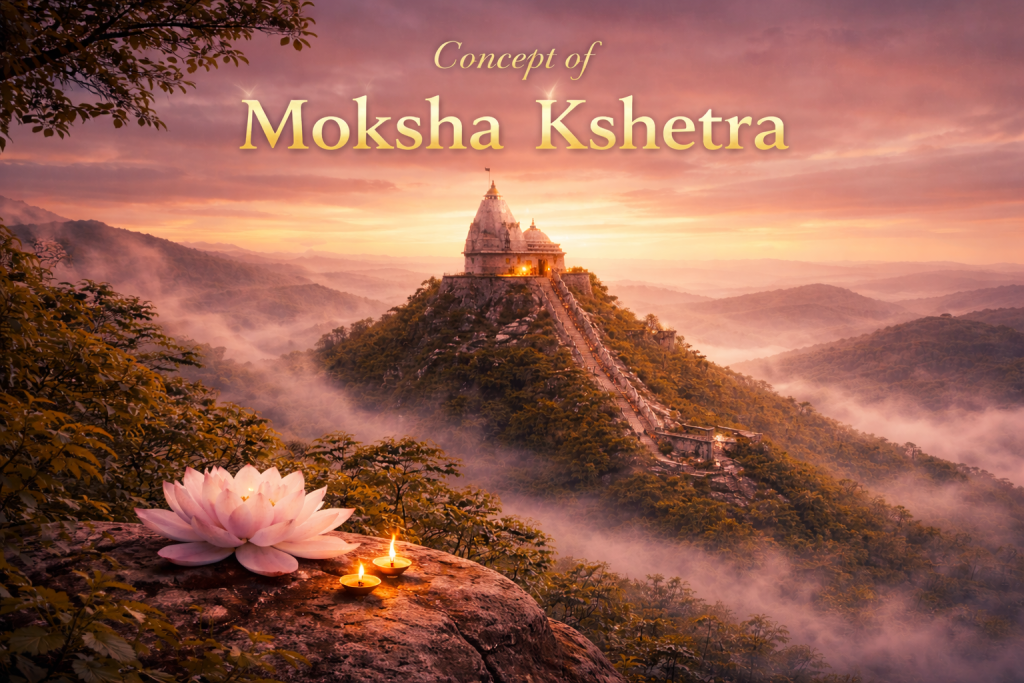
Concept of Moksha Kshetra
In Jain philosophy, a Moksha Kshetra is a sacred place where the soul attains Moksha—complete liberation from the cycle of birth, death, and rebirth. Such a kshetra is not holy merely because of rituals or structures, but because it is sanctified by the spiritual attainment of enlightened souls.
A Moksha Kshetra represents the culmination of the Jain path of right faith, right knowledge, and right conduct. It is believed that the spiritual vibrations of intense meditation, renunciation, and austerity remain eternally present at these locations. This makes them powerful centers for spiritual reflection and self-purification.
Shri Sammed Shikharji is regarded as the supreme Moksha Kshetra because numerous Tirthankars attained liberation there. For devotees, visiting such a place is a reminder that Moksha is achievable through discipline, detachment, and compassion. A Moksha Kshetra thus stands as a timeless symbol of spiritual victory, inner freedom, and the soul’s highest destiny.
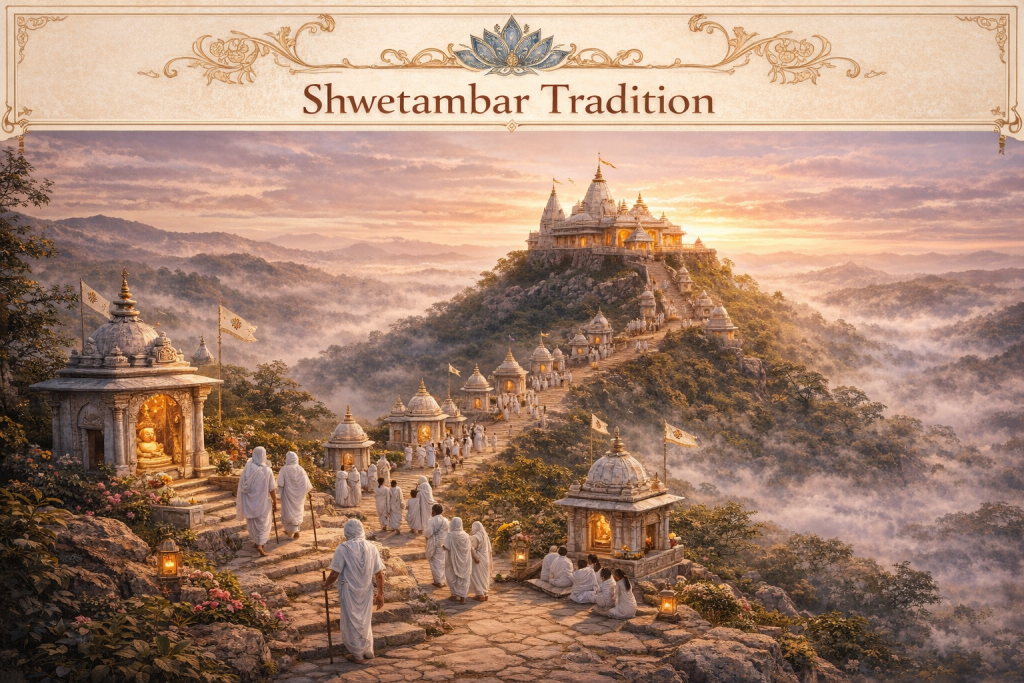
Shwetambar Tradition
Shri Sammed Shikharji is revered in the Shwetambar tradition as the supreme Moksha Kshetra, where twenty Tirthankars attained liberation. Shwetambar texts and traditions recognize the Tonks on the hill as sacred liberation points and encourage pilgrims to undertake the yatra as an act of devotion, humility, and self-purification. For Shwetambar devotees, the pilgrimage symbolizes the Jain ideals of non-attachment, discipline, and spiritual progress. Despite differences in ritual practices, the sanctity of Sammed Shikharji remains central and unquestioned within the Shwetambar faith.

Digambar Tradition
In the Digambar tradition, Sammed Shikharji holds the highest spiritual status as a Moksha Kshetra sanctified by the liberation of twenty Tirthankars. Digambar scriptures and teachings emphasize the hill as a powerful symbol of renunciation, austerity, and ultimate detachment from worldly life. The yatra is viewed as a deeply transformative spiritual journey, reflecting the Digambar path of self-control and ascetic discipline. For Digambar devotees, Sammed Shikharji represents the pinnacle of Jain spiritual achievement and remains the most sacred pilgrimage site.