
Other Sacred Spots
- Home
- Tonks
- Other Sacred Spots
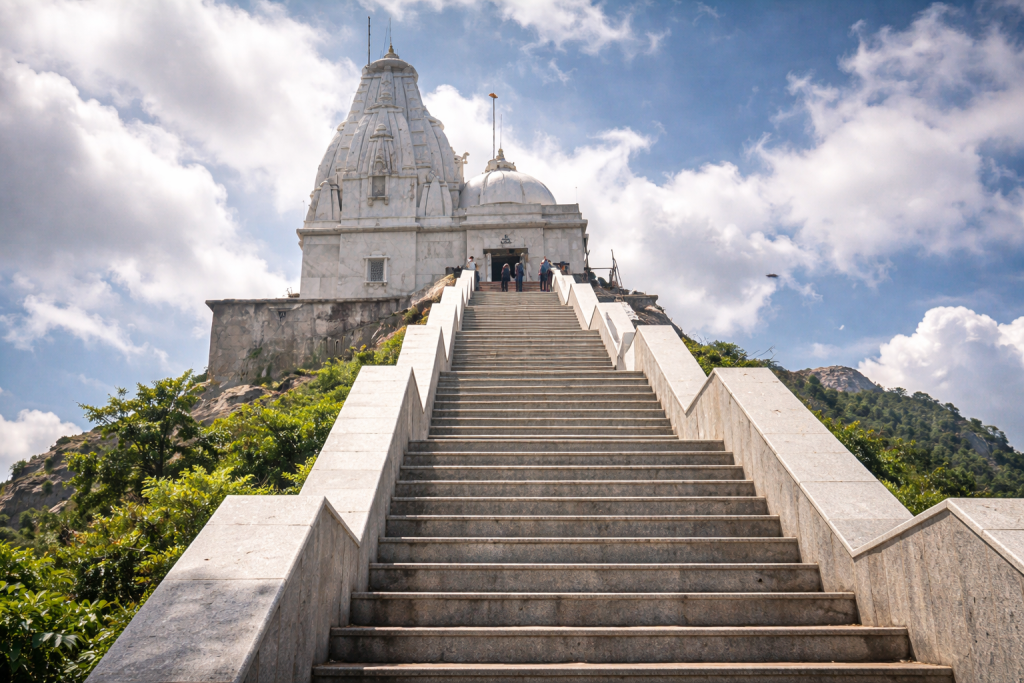
About Jal Mandir
Serenity
Jal Mandir is a sacred Jain shrine located at Madhuban, at the foothills of Shri Sammed Shikharji. Uniquely built in the center of a tranquil water body, the temple symbolizes spiritual purity, detachment, and calmness. Accessible by a narrow causeway, Jal Mandir serves as an important preparatory space for pilgrims before beginning the sacred ascent to the Tonks. The reflection of the temple in the surrounding water creates an atmosphere of deep peace and meditation.
Spiritually, Jal Mandir represents the cleansing of mind and intention before undertaking the pilgrimage. In Jain philosophy, water signifies purity and restraint, reminding devotees to leave behind worldly distractions and approach Sammed Shikharji with humility and discipline. Pilgrims often pause here to offer prayers, observe silence, and mentally prepare for the demanding spiritual journey ahead.
- Located at Madhuban, the base village of Sammed Shikharji
- Acts as a spiritual preparation point before the hill ascent
- Temple situated within a water body, symbolizing purity
- Encourages silence, meditation, and mental discipline


Important caves
Sadhana Gufa
Sadhana Gufa is believed to have been used by Jain monks and ascetics for deep meditation and prolonged penance. Hidden within the forested slopes of Parasnath Hill, this cave represents intense spiritual practice in isolation. Its quiet, natural surroundings reflect the Jain ideal of renunciation, where seekers withdrew from worldly life to focus solely on self-realization and inner purification.
Tapasya Gufa
Tapasya Gufa symbolizes extreme austerity and self-discipline. Jain tradition associates this cave with severe practices such as fasting, silence, and continuous meditation. The cave’s minimal space and natural structure emphasize endurance and control over physical comfort, reminding pilgrims of the sacrifices undertaken by ascetics on the path to liberation.
Dhyan Gufa
Dhyan Gufa is known for its serene atmosphere, making it ideal for contemplation and spiritual reflection. Surrounded by dense forest and natural silence, this cave highlights the importance of mental stillness in Jain philosophy. Pilgrims view Dhyan Gufa as a place that encourages mindfulness, clarity, and detachment from distractions.
Nirjan Gufa
Nirjan Gufa is associated with complete solitude and silence. Jain monks are believed to have practiced deep meditation here, away from all human interaction. The cave represents the ideal of nirjanata—detachment from society and sensory distractions—emphasizing inward spiritual focus and self-awareness on the path to liberation.
Samadhi Gufa
Samadhi Gufa symbolizes the state of profound inner absorption and equanimity. Traditionally linked with advanced meditation practices, this cave reflects the final stages of spiritual concentration where the mind becomes steady and free from disturbance. For pilgrims, Samadhi Gufa serves as a reminder of the ultimate goal of spiritual stillness and enlightenment.