
History & Legacy
- Home
- About
- History & Legacy
Jain scriptures
Sacred Texts

Jain Agamas
The Jain Agamas, among the oldest sacred texts of Jainism, contain early references to Sammed Shikharji as a supreme Moksha Kshetra. These texts emphasize the sanctity of places where Tirthankars attained liberation, identifying Shikharji as a spiritually charged land purified by renunciation and meditation. The Agamas highlight the importance of pilgrimage not as ritual travel, but as a means of inner purification and detachment. By associating the site with the liberation of multiple Tirthankars, the Agamas establish Sammed Shikharji as a timeless spiritual center, revered since the earliest period of Jain doctrinal development.
Kalpa Sutra & Jain Puranas
The Kalpa Sutra and various Jain Puranas provide detailed historical and spiritual narratives connected to Sammed Shikharji. These texts record the lives of Tirthankars and specifically mention the hill as the sacred place where many attained Nirvana. Jain Puranic literature further reinforces the hill’s identity as a land of ascetic achievement and liberation. Through symbolic storytelling and historical context, these scriptures elevate Sammed Shikharji beyond geography, presenting it as a divine witness to spiritual triumph. Such repeated references across texts confirm its unmatched importance within Jain tradition.
Textual Traditions
Both Digambar and Shwetambar scriptural traditions independently affirm Sammed Shikharji’s status as the highest Moksha Kshetra. Digambar texts emphasize austerity, renunciation, and ascetic discipline practiced at the hill, while Shwetambar scriptures highlight devotional pilgrimage and spiritual purity. Despite doctrinal differences, both traditions unanimously acknowledge that twenty Tirthankars attained liberation here. This rare agreement across sectarian texts underscores the universal sanctity of Sammed Shikharji. Its consistent presence in Jain literature reflects a shared spiritual heritage and reinforces its position as the most sacred pilgrimage site in Jainism.
Historical Yatras
Pilgrimages Through Time
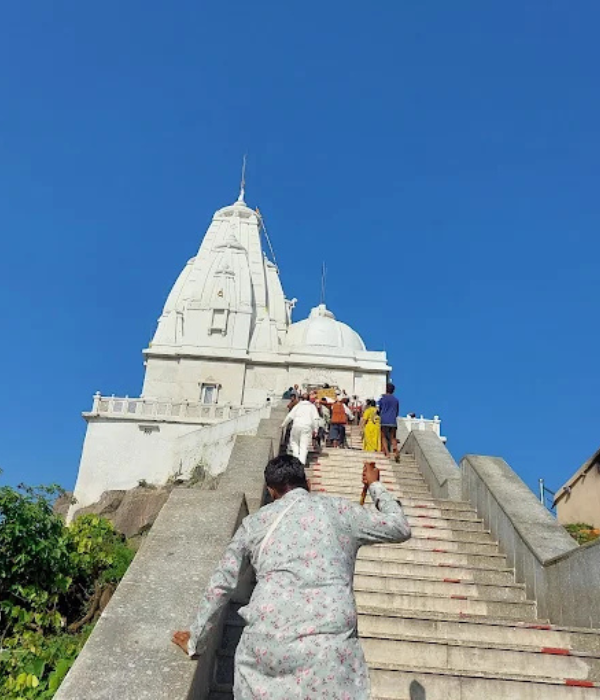
The tradition of yatra to Shri Sammed Shikharji dates back thousands of years and holds a central place in Jain spiritual history. From ancient times, Jain monks, scholars, and householders undertook this sacred journey as an act of renunciation, penance, and devotion. Historical Jain texts, inscriptions, and oral traditions describe how pilgrims walked long distances, often barefoot, embracing hardship as a form of spiritual discipline.
These yatras were not merely physical journeys but deeply transformative spiritual practices, reflecting the Jain ideals of self-control, non-attachment, and humility. Kings, merchants, ascetics, and common devotees alike supported and participated in these pilgrimages, contributing to the preservation of paths, Tonks, and rest shelters along the route.
Over centuries, despite political changes and natural challenges, the yatra tradition has remained unbroken. Today’s pilgrimage continues this ancient legacy, connecting modern devotees with generations of seekers who walked the same sacred path toward spiritual purification and liberation.
Contributions of Jain Acharyas
Spiritual Leaders & Sacred Legacy
Acharya Bhadrabahu
Acharya Bhadrabahu is one of the earliest and most revered Jain Acharyas associated with the preservation of ancient Jain traditions. He emphasized strict ascetic discipline, renunciation, and the importance of sacred pilgrimage sites. His teachings strengthened the spiritual authority of Moksha Kshetras like Shri Sammed Shikharji, reinforcing the belief that liberation is attained through austerity and self-control. His influence helped establish the hill’s sanctity in early Jain thought.
Acharya Kundakunda
Acharya Kundakunda profoundly shaped Jain spiritual philosophy through his emphasis on the pure soul and inner realization. His teachings highlighted detachment from worldly identity and focus on the true nature of the soul, ideals strongly reflected in the pilgrimage to Sammed Shikharji. By reinforcing the philosophical foundation of Moksha, his works deepened the spiritual meaning of the yatra as a journey toward self-realization rather than ritual observance.
Acharya Bhadrabahu
Acharya Hemchandra played a major role in systematizing Jain doctrine and promoting pilgrimage traditions during medieval times. Through his scholarly works and guidance to rulers and communities, he strengthened institutional support for sacred sites. His influence encouraged organized yatras, preservation of Tonks, and respectful maintenance of Sammed Shikharji as the supreme Moksha Kshetra.
Acharya Jinabhadra Gani
Acharya Jinabhadra Gani contributed significantly to Jain scriptural interpretation and commentary. His works clarified doctrinal references to liberation sites and reinforced the authority of Sammed Shikharji in Jain literature. By strengthening scriptural understanding, he ensured that the hill’s spiritual importance was transmitted accurately across generations of monks and scholars.
Acharya Nemichandra
Acharya Nemichandra is renowned for codifying Jain ethical and spiritual principles. His teachings on discipline, conduct, and liberation closely align with the ideals embodied by Sammed Shikharji. By defining the spiritual framework of Moksha, he helped devotees understand the deeper purpose of pilgrimage as a disciplined path toward liberation.
Acharya Vidyanand
Acharya Vidyanand contributed to preserving Jain philosophical clarity and defending core Jain doctrines. His intellectual efforts reinforced the spiritual legitimacy of Moksha Kshetras and upheld the sanctity of Sammed Shikharji in philosophical discourse. His teachings supported the continued reverence of the site as the highest spiritual destination in Jainism.